🗓️

Period Tracker for Partners

Learn how to support your partner through every phase of her cycle

31 articles · Page 4 of 4

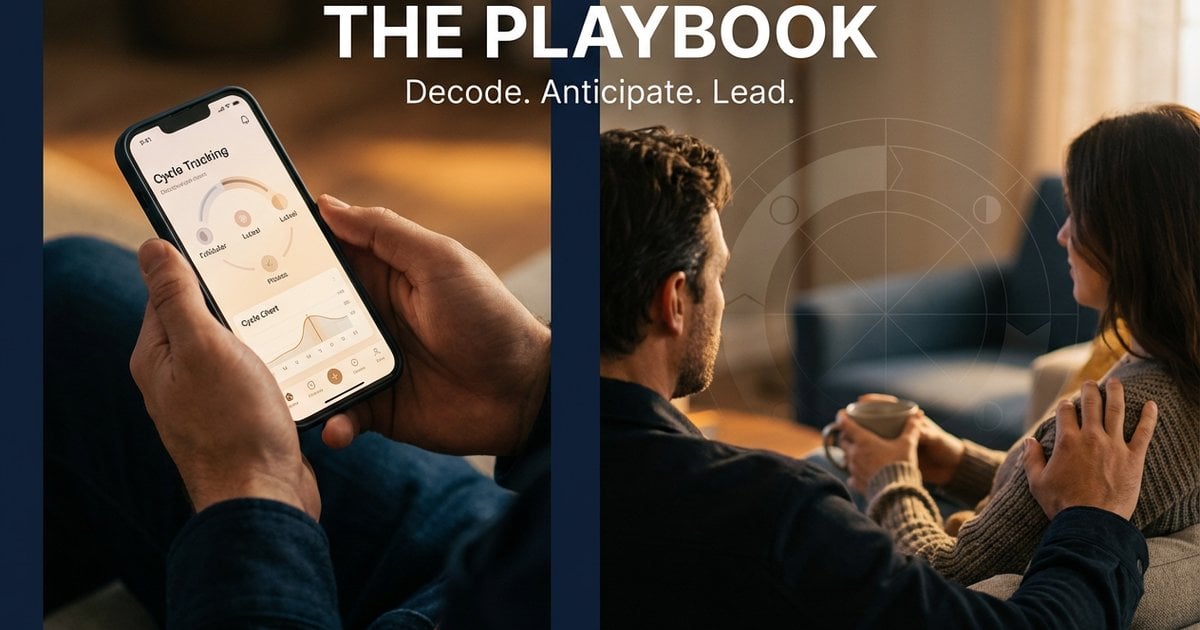
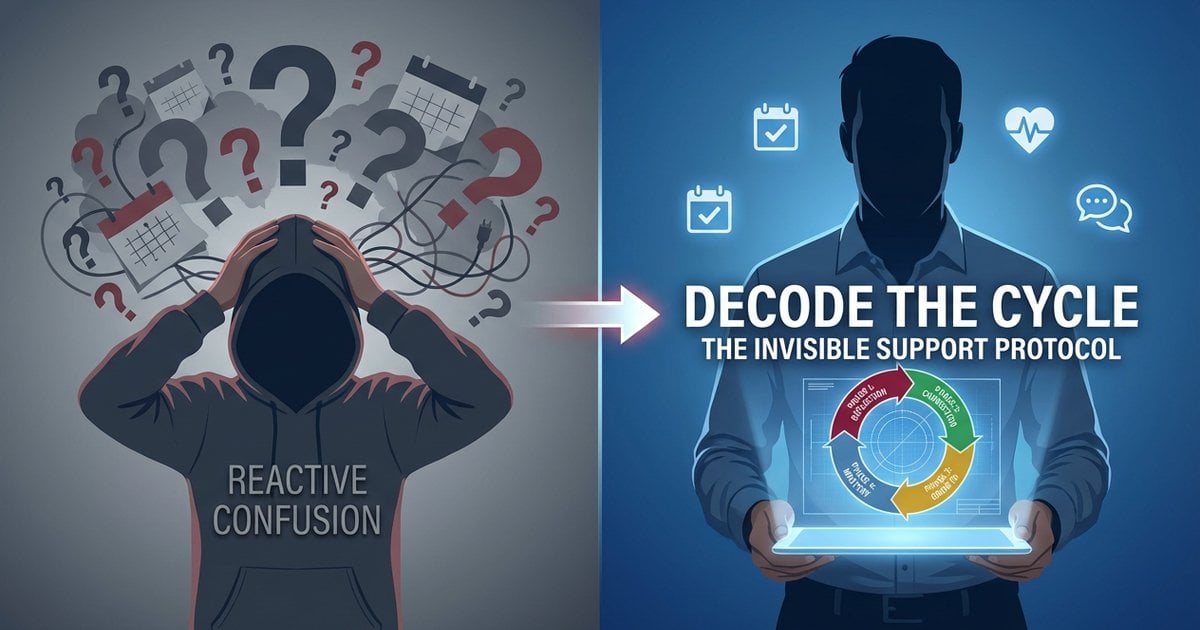
A period tracker for partners is a game-changer for modern relationships. Understanding your partner's menstrual cycle helps you anticipate her needs, provide better emotional support, and reduce misunderstandings caused by hormonal fluctuations. VibeCheck makes cycle tracking easy for men — you don't need a medical degree, just a willingness to understand. Our guides cover everything from the basics of the 28-day cycle to advanced tips on supporting your partner through PMS, ovulation, and every phase in between.

Explore our collection of 31 articles covering period tracker for partners, relationship science, and practical prompts to help you better support your partner.

Frequently Asked Questions

Why should men track their partner's period?
Tracking your partner's cycle helps you understand predictable mood and energy shifts throughout the month. Studies show that couples who share cycle awareness report better communication and fewer conflicts. It's not about controlling anything — it's about being informed so you can offer the right kind of support at the right time, whether that's extra patience during PMS or planning an active date during the follicular phase.
What is the best period tracker app for boyfriends?
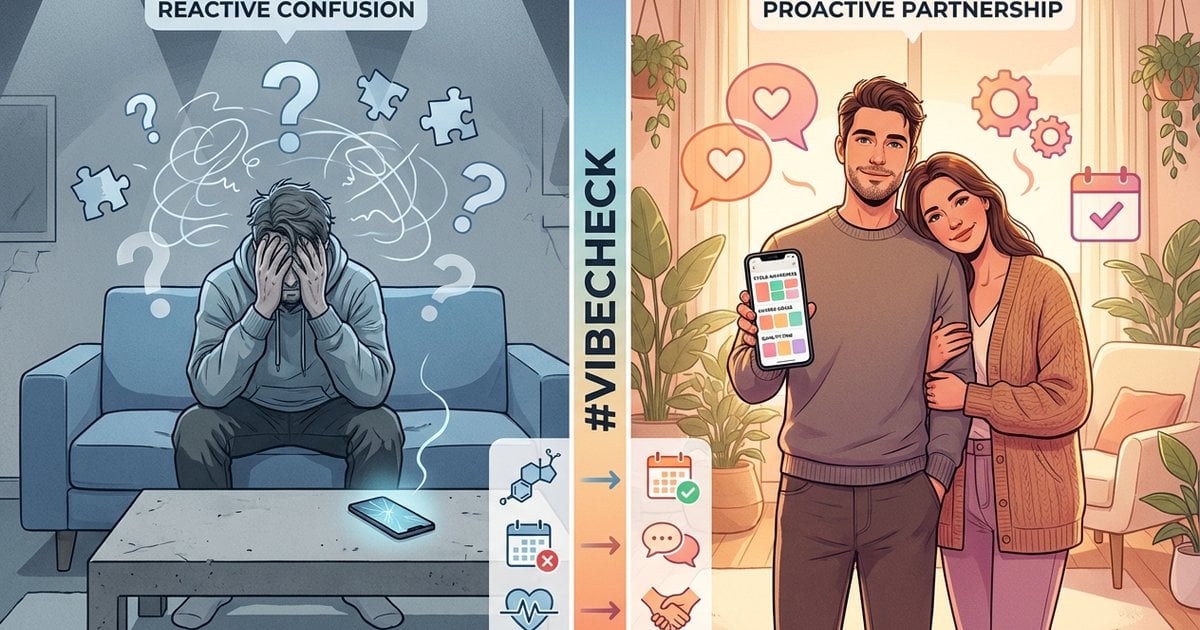
VibeCheck is designed specifically as a period tracker for partners. Unlike traditional period trackers that focus on fertility or symptoms, VibeCheck translates cycle data into actionable relationship advice for men. It tells you what phase your partner is in, how she might be feeling, and what you can do to support her — without requiring her to share personal health details she's not comfortable sharing.
How does the menstrual cycle affect relationships?
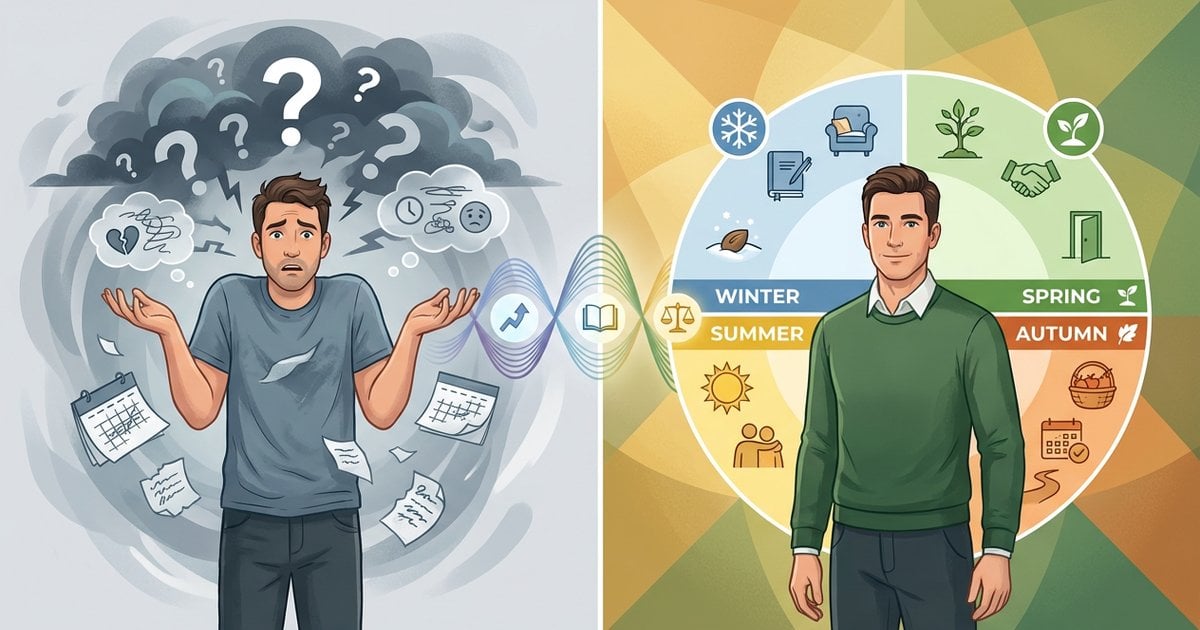
The menstrual cycle creates predictable shifts in energy, mood, and social preferences across four phases. During menstruation (days 1-5), your partner may need more rest and comfort. The follicular phase (days 6-13) typically brings increased energy and sociability. Ovulation (day 14) often peaks confidence. The luteal phase (days 15-28) can bring PMS symptoms like irritability or fatigue. Understanding these patterns helps you respond with empathy rather than confusion.

Explore More